

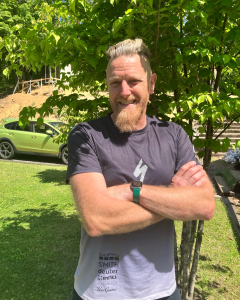
Nathan Bennett — known simply as “Benny” around Minakami — has spent nearly thirty years growing mountain biking in Japan. When he arrived in 1996, mountain biking was so unfamiliar locally that when he applied to start a tour operation at the town office, their first question was, “How many cc’s was his bicycle’s engine?”
Today he is regarded as one of the pioneers of the sport in Japan and MTB Japan is one of the longest-running mountain bike operations anywhere in the country. Bennett estimates he’s personally introduced 30,000 riders to Minakami’s trails, many of which he built himself by hand over decades of, what he calls, “a genuine addiction to trail work.”
Nathan and I go back to high school in New Zealand. We sat in the same Japanese class years before either of us dreamed we’d end up living in Japan, not to mention in the same town running outdoor businesses. It’s a connection I’m happy to claim a little credit for. Bennett was working a bank job back home when we ran into each other. I had already landed in Minakami and was running rafting trips for Canyons. I told him to come check out the town if he was ever passing through. He did, and never really left.
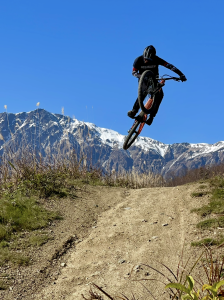
Recently, a film called Japow: A Lesson in Loam landed on YouTube and it has already surpassed 100,000 views. It follows a UK crew — Focus Bikes riders Olly Wilkins, Ben Deakin, Kerenza Scott, and videographer Jacob Gibbons — through six days of riding hand-built trail around Minakami, ending with a soil sample sent off to a lab to figure out exactly why the dirt rides the way it does.
For anyone who doesn’t ride trails, loam is basically what powder is to a skier. The specific quality of soil — its moisture, structure, and give underfoot — determines whether a trail rides fast and flowing or slow and miserable. Mountain bikers chase good loam the way skiers chase a storm cycle. A film crew flying in specifically to lab-test the dirt is, in its own niche way, a serious endorsement. It’s already brought Bennett a wave of inquiries and new bookings from riders who’d never otherwise heard of Minakami.
Q&A: Starting from Scratch
What was mountain biking in Japan like back in 1996?
In the 90s, mountain biking hadn’t yet boomed. In Minakami in particular it was pretty much unheard of. To the point that when I went to the town office to ask about starting a tour operation, their main concerns were, is the bike loud and what size was the engine? They laughed when they understood a MTB was actually a bicycle. As far as trail infrastructure, there were trails, but nothing specific for mountain biking. The bigger challenge, before e-bikes, was having to do shuttle runs in Hiace vans and the tours were gravity-fed. So even though there were lots of potential trails, ninety percent of them had big climb sections that basically ruled them out for what I was trying to do commercially.
Was there a specific moment you decided to build a real business around it?
Initially, no. My main priority was learning Japanese and challenging myself to do something new. I put my life into five-year gap plans, and it was somewhere in year two or three that I made a conscious decision I’d make a decisive yes or no by year five.
How much of the trail network out there did you actually build?
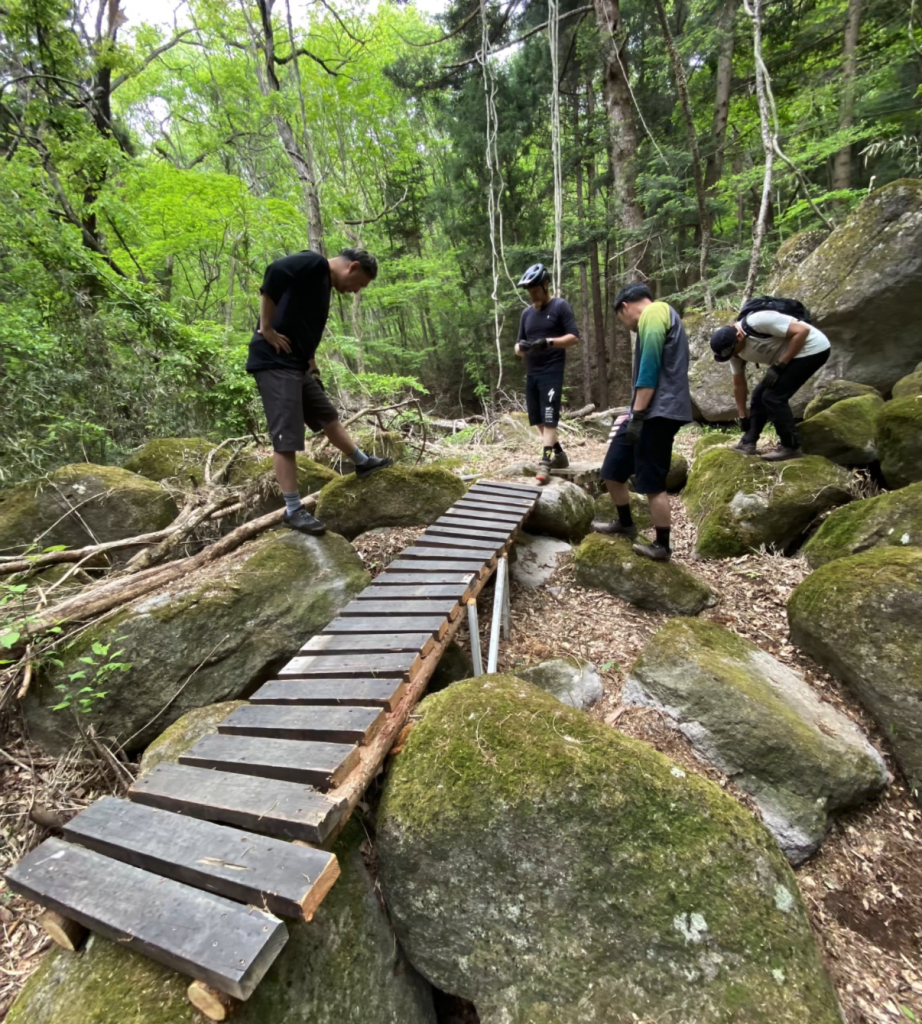
If you added up all the hours of trail building and maintenance and put it on an hourly rate, you’d never do it in a hundred years. Trail building is addictive — it’s a passion. For me it’s a mental escape, a release, a place to find your inner calmness, a bond back to nature. I’ve told people: even if I didn’t do this job, even if I had a billion dollars, you’d still find me out here in the mountains building trails. It’s a process you slowly chip away at — envision, build, ride, adjust, ride, maintain, ride again, maintain again. The process never stops. Thank goodness.
What’s the biggest change you’ve seen over 25-plus years?
The up and down wave always makes me laugh. Is MTB going to take off? Is Minakami going to take off? Honestly, that’s still something I don’t know the answer to. What has changed? Without a doubt, e-bikes opened up the game and the latest influx of foreigners and interest in Japan.
What keeps you racing after all these years?
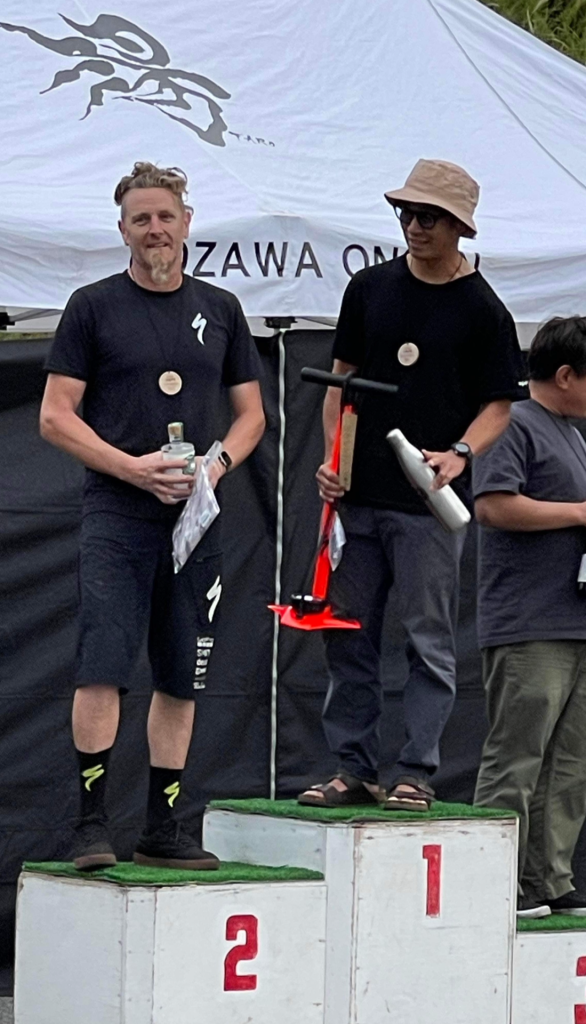
I’m lucky that my sponsors here in Japan give me the freedom to race the events I’m actually interested in, rather than feeling pressure to race everything I’m told to. Mountain biking is one of those sports that works on muscle memory — the key is staying consistent, not having large blanks in your training or racing. Maybe that’s why I still somehow manage to podium nearly everything I enter.
How did the Olly Wilkins crew end up choosing to film in Minakami?
Funny story. I found an old Instagram message Olly had sent me ten years ago. When I saw the name I totally freaked out — he’s an absolute legend of the sport. I messaged him back profusely apologizing for ghosting him, thinking, it’s possibly been long enough that he might want to come back? We both laughed and, as any true mountain bikers do, became good friends very quickly. The rest is history.
What was it like hosting them?
Being the true professionals they were, from day one they started posting little teasers on social media, and the most common comment was “what a crew.” Olly Wilkins, Ben Deakin, Kerenza Scott, and videographer Jacob Gibbons. Six incredible days of filming, plenty of banger edits that didn’t make the final cut, which is a great situation to be in. Jacob was very specific; he only wanted the highest quality shots in the final cut, and I think that showed in the result he achieved. Olly was also kind enough to put me on an episode of their podcast: The Ride Companion. As far as hosting the crew goes, it genuinely brings a tear to my eye thinking about how much fun we had. All absolute legends.
What’s your read on why Minakami’s dirt rides the way it does?
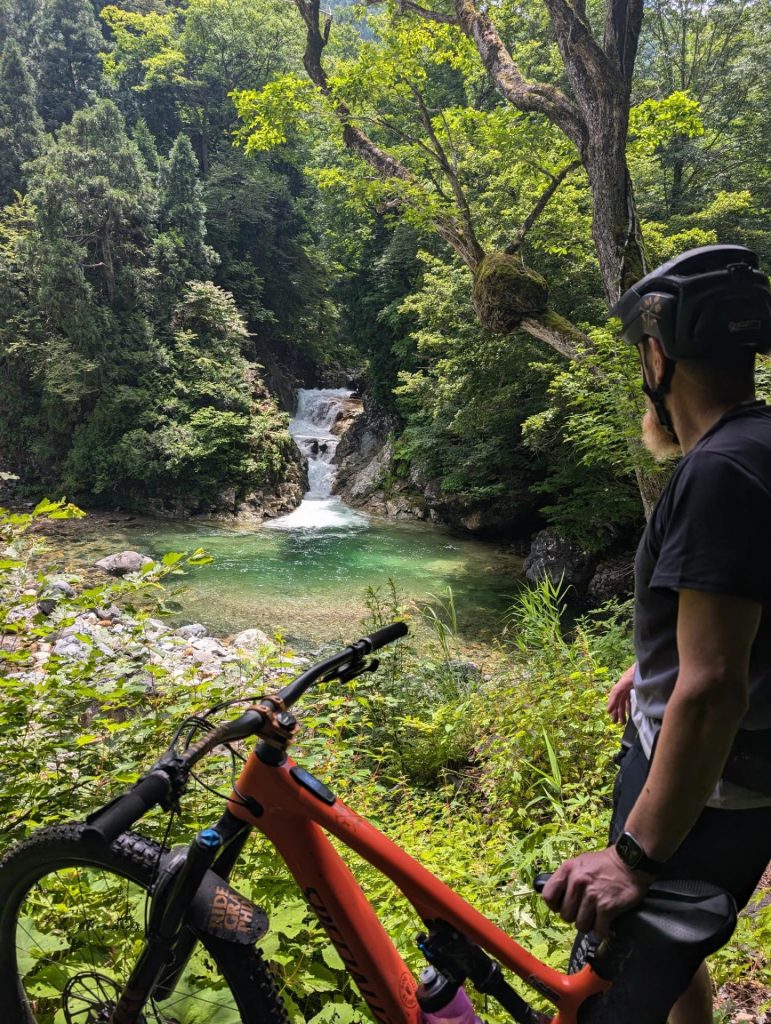
It’s the volcanic ash for draining water, the clay for giving stability, and the loose foliage coverage on top. As they stated in the film, Minakami has good loam.
Has the film already changed anything?
Early days, but yes — already had a lot of messages, inquiries, and new bookings coming in.
For someone who’s only ridden in Europe or North America, what’s different about riding in Japan?
Inbound riders are usually super hyped just to be riding here in Japan. The soak in a local onsen and a cold beer afterward just takes it to the next level.
What is the best time of year to ride?
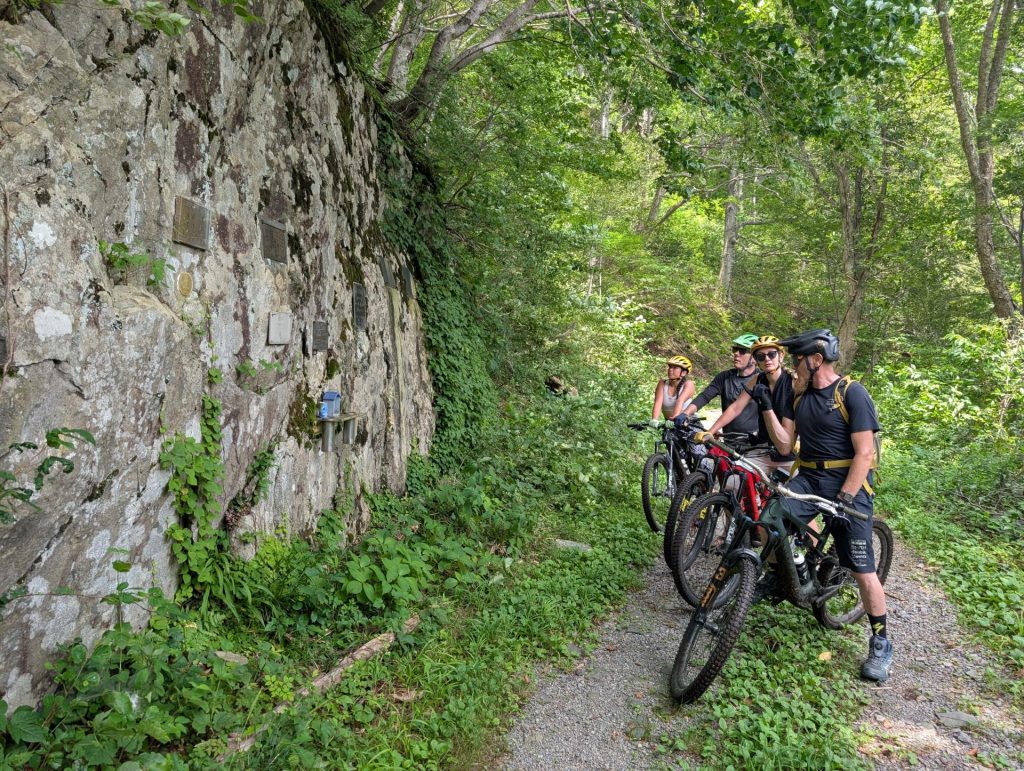
Spring and autumn are my favorite ride times for sure. April, May and September through mid-December are great. Summer is fine too, particularly since Minakami is so much cooler than the big cities. Spring is great because you’re always keen to hang up the snowboard and bust out the bike for the first runs of the season, with beautiful clear views of the mountains. Autumn is possibly even a little bit better — cool days, unbelievable color in the mountains, panoramic views all around. It really doesn’t get much better than mountain biking in autumn in Japan.
Was there a moment in the last 25 years you almost gave it up?
Covid completely cut us off at the knees. I genuinely thought we wouldn’t come back — still not entirely out of the woods, either. I guess it’s just that natural grit to fight on. There’s been many times I’ve considered giving up, but every time I realize there’s nothing I love more than building trails and riding mountain bikes.
Where do you see MTB Japan in another 5 to 10 years?
I turn 54 this year, so grinding away, constantly worrying about the next booking isn’t where we want to be. I think it’s having more consistency on multi-day trips that take advantage of our new cottages and compound. It gives us a chance to really get to know our customers and show them the full experience. That’s my kind of warm, fuzzy vibe area.
What’s the one thing you wish more people knew about riding in Minakami before they book?
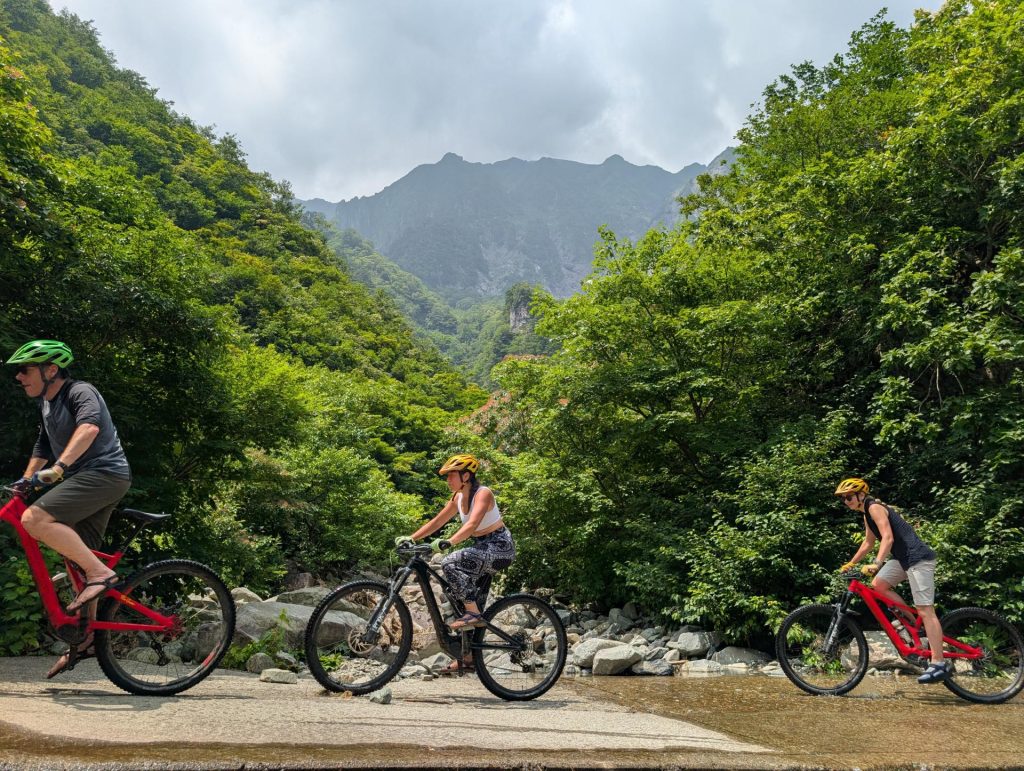
That we’re only 70 minutes from Tokyo, and we have everything you need here.
Anything coming up that people should know about?
One exciting recent development is Sunny MTB Park, Minakami’s first MTB Park at White Valley Ski Resort. It’s small at this stage but a great start and worth keeping an eye on as the MTB scene here grows. MTB Japan’s cottages and facilities are looking great too and our multi-day tours are expanding up to seven or eight days. We’ve taken people up to fourteen days, but seven or eight is the sweet spot.
We’ve also had inquiries from a few other well-known riders about filming here, nothing I can confirm or deny at this stage but watch this space, and feel free to reach out to us.
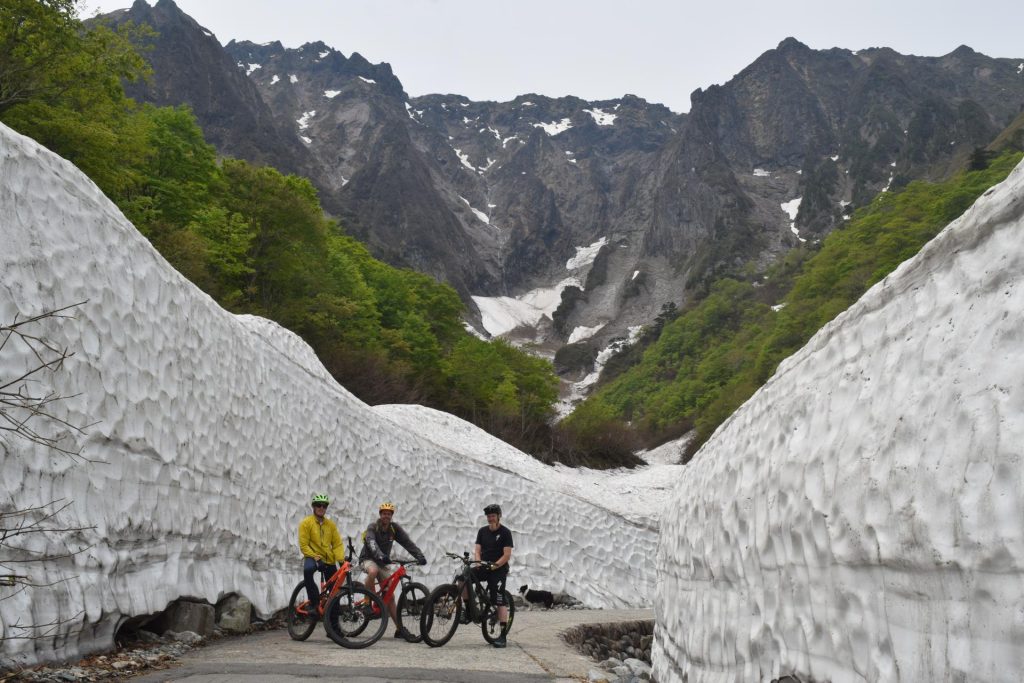
MTB Japan runs guided mountain bike tours, from half-day rides to multi-day trips based out of Kiwi Cottage, in Minakami, Gunma. It’s about 70 minutes from Tokyo by train. Learn more about Bennett and the team at mtbjapan.com, and check out Japow: A Lesson in Loam on YouTube to see exactly what thirty years of trail building looks like.