

The Kii Peninsula, a vast and mountainous hand reaching into the Pacific, has been my lodestar for over twenty years. It is an area that rewards deep exploration, where the wild pulse of nature meets the ancient human story. This region, particularly Mie Prefecture’s remote south, known as Higashi Kiishu, is where the true heart of the adventure lies.
At the center of this region is the Kumano Kodo, an ancient pilgrimage route whose global popularity has justly boomed. Yet, amidst the fame of the trails, a significant part of the journey remains underexplored: the Iseji route. In my opinion, the Iseji is the most spectacular of the four main routes. It offers an unparalleled sequence of landscapes—quaint fishing villages, panoramic ocean views, and the same historic stone steps, temples, and shrines that have defined the pilgrimage for a millennium.
The true magic of the Iseji, however, is not found solely in the act of hiking. It is an exploration that must be completed by sea, land, and river. This journey of discovery allows us to connect with the deep, living culture that sustains this sacred landscape.

The Sea Path: Hirohisa and the Turquoise Coast
The exploration begins on the water, a perspective often missed by those focused on the mountain trails. The coastline of the Kumano Sea is a breathtaking tapestry of rugged cliffs and hidden coves, best traversed by sea kayak. Here, in the quiet village of Mikisato, is where a different kind of guide holds court.
I meet Hirohisa Hirayama and his wife Izumi of Mikisato E Outfitters. Hirohisa, a native of Mikisato, and Izumi have been guiding for over 18 years, hosting guests from around the globe to explore the Iseji route by sea. “The trail tells you about the destination,” Izumi notes as we prepare our kayaks, “but the water tells you about the journey.”
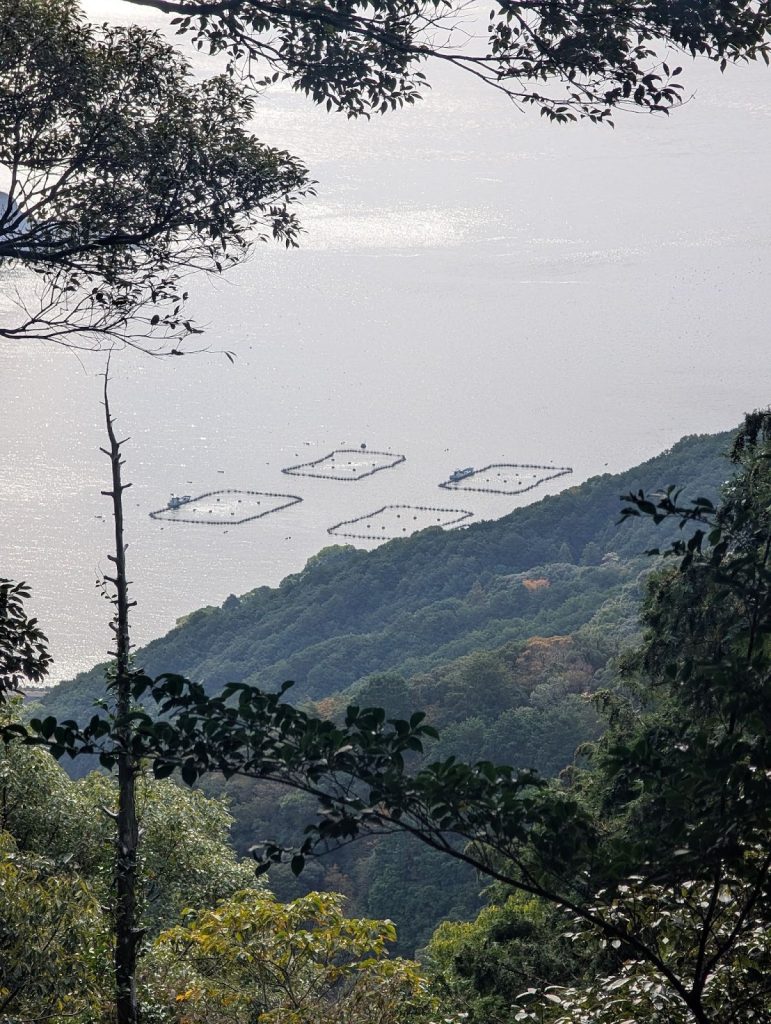
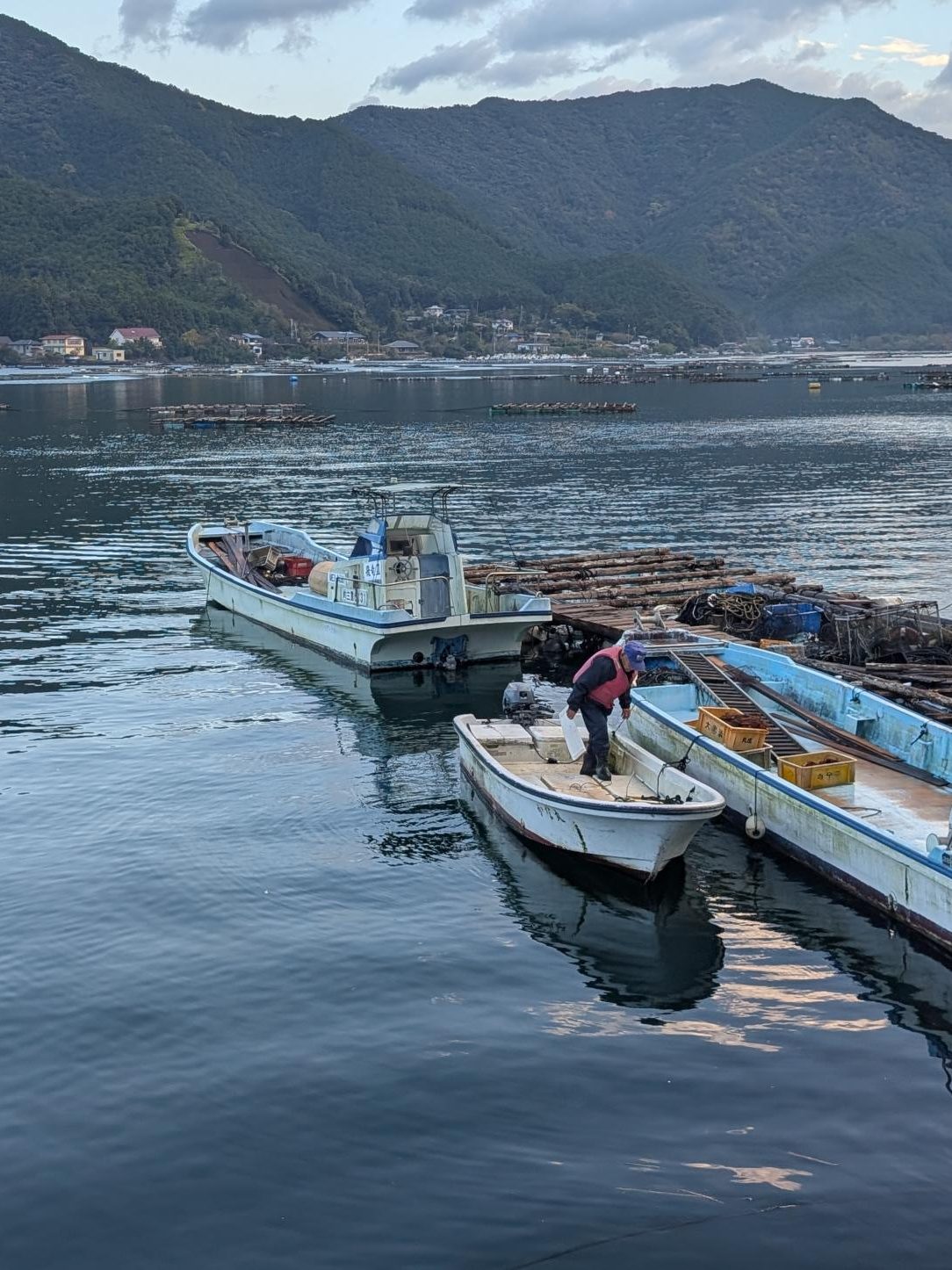
We paddle out onto the inviting turquoise waters of the Kumano coast, which are so translucent you can see the world below. Their tours range from easy beginner paddles to full-day expeditions, allowing for an intimate look at the dramatic, picturesque shoreline. From the water, we gain a unique perspective, noticing the distant aquaculture farms—where tuna, oysters, and other local fish are raised—that can also be spotted from high points on the hiking viewpoints. The sea is not just a view; it is the source of life.

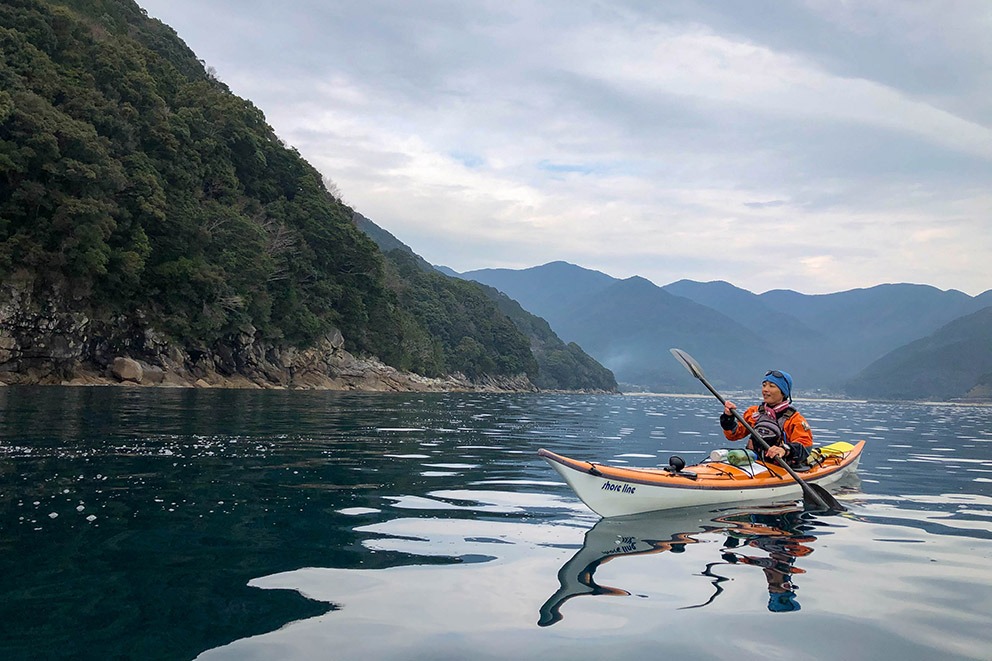
The coastal discovery is anchored by the region’s culinary treasures. The area is home to some of the best seafood in Japan, and the sea kayak is the perfect vessel to appreciate the deep connection between the land and the local harvest. This leg of the journey reveals the vital, living heart of the coastline, showing that the pilgrimage is as much a maritime story as a mountain one.
The Trail’s Secrets: Yama-chan and the Side Journeys
For many, the Iseji is synonymous with hiking, and the most picturesque section—from Owase to Kumano—offers the deepest immersion, featuring minimal road sections. But the real joy of the hike is found in the little side journeys—the detours into the local culture that illuminate the main path.

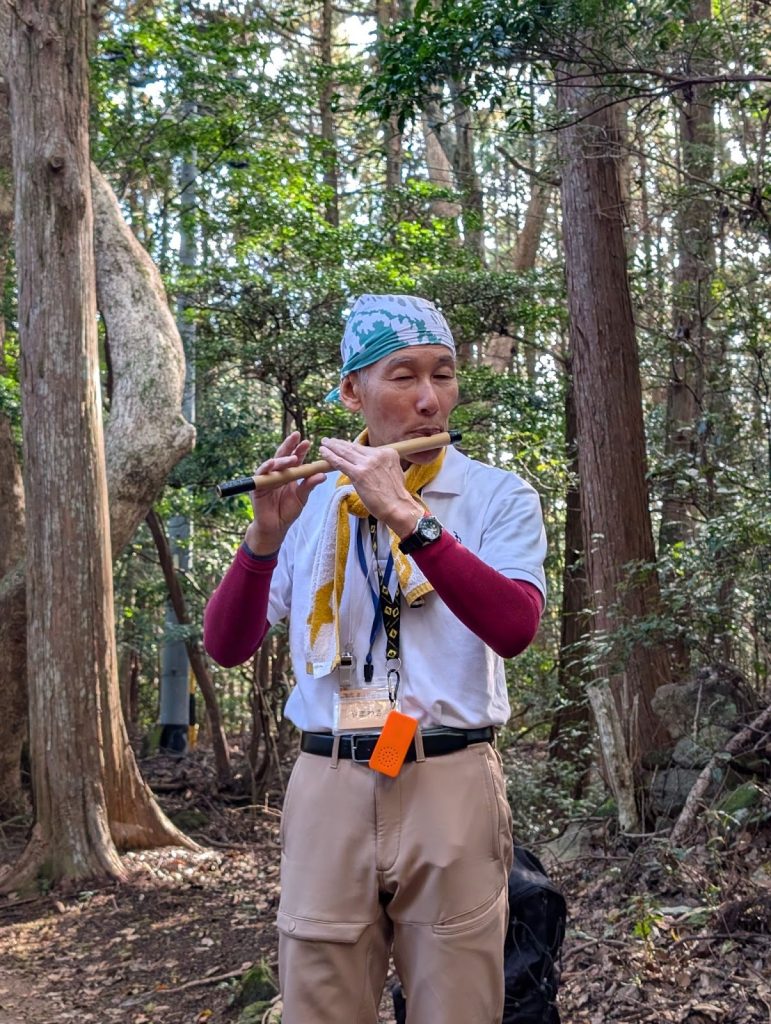
My guide for this discovery is Yama-chan, a local born and raised in the Kihoku area. With near-perfect English, he takes us deep into the local culture. Yama-chan doesn’t just relay history; he shares the inside stories from his youth and his ancestors, making the ancient stones feel contemporary.
The modern traveler can now also access some sections of the trail with the help of e-bikes, a fitting replacement for the horses that once served the route, maintaining a thoughtful pace through the landscape.
Our walk is a feast of local discovery:
- The Fishing Villages: Yama-chan takes us into the quaint fishing villages, allowing us to go in depth behind the scenes with local guides who take us back in time, sharing the rhythms of their daily life.
- A Taste of Purity: We visit the famously clean waters of the Choshi River and the tranquil Lake Shiraishi. We also hear about the renowned Watari Oysters, whose quality is a testament to the region’s pristine environment.
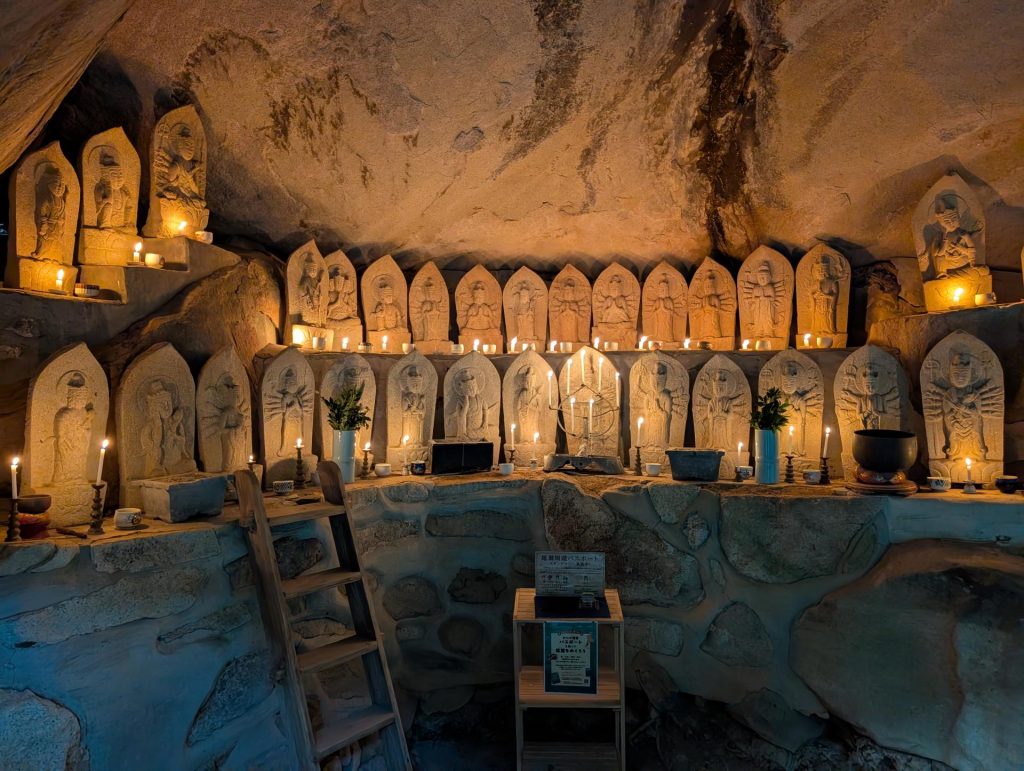
- Faith and Sustenance: We take a detour to the Iwaido 33 Kannon, a site often visited by fishermen to pray for safety at sea and a bountiful catch, illustrating the spiritual role of the ocean in their lives.
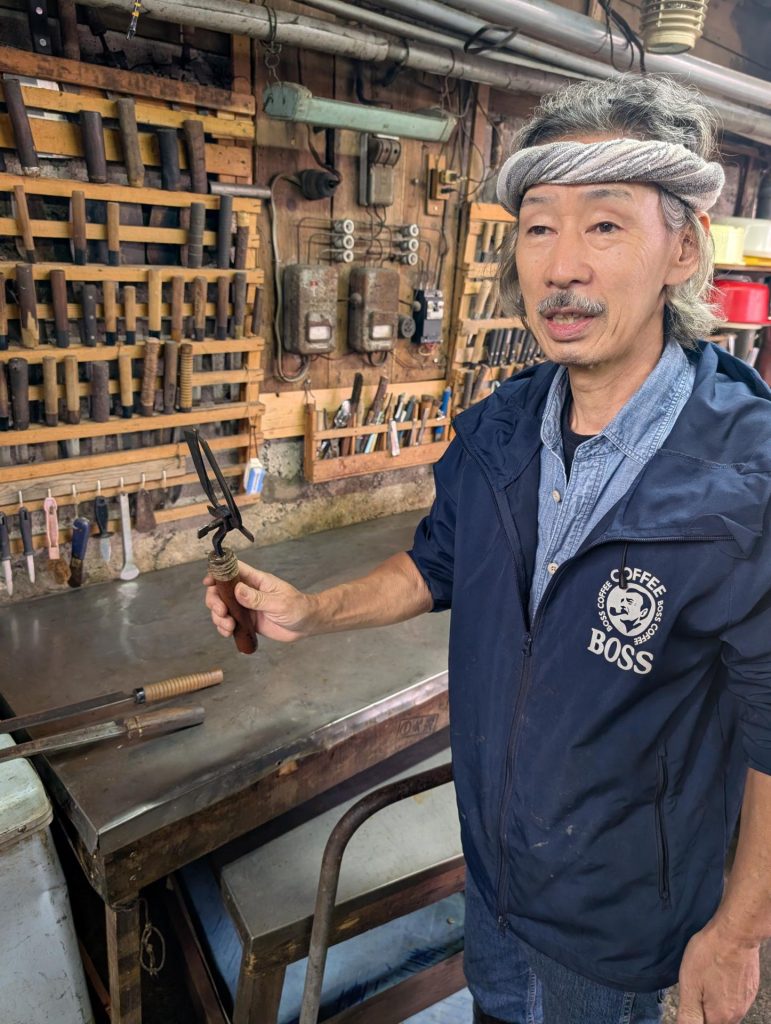
- Age-Old Tradition: A visit to a semi-dried bonito factory offers a glimpse into an age-old tradition of preserving food. Here, we learn about the process and the tools used, connecting the sea’s bounty to the culture’s resilience.
These side journeys prove that the Iseji is a cultural map as much as a hiking trail. By seeking out these local encounters, we uncover the spirit of the people who have lived alongside this pilgrimage route for generations.

The River Bridge: Sandanbo and the Cedar Flow
To complete the Iseji discovery, the journey must move from land back to the water, but this time, on the Kumano River. This river, an essential path for over 800 years, offers a unique, tranquil perspective on the ancient route.
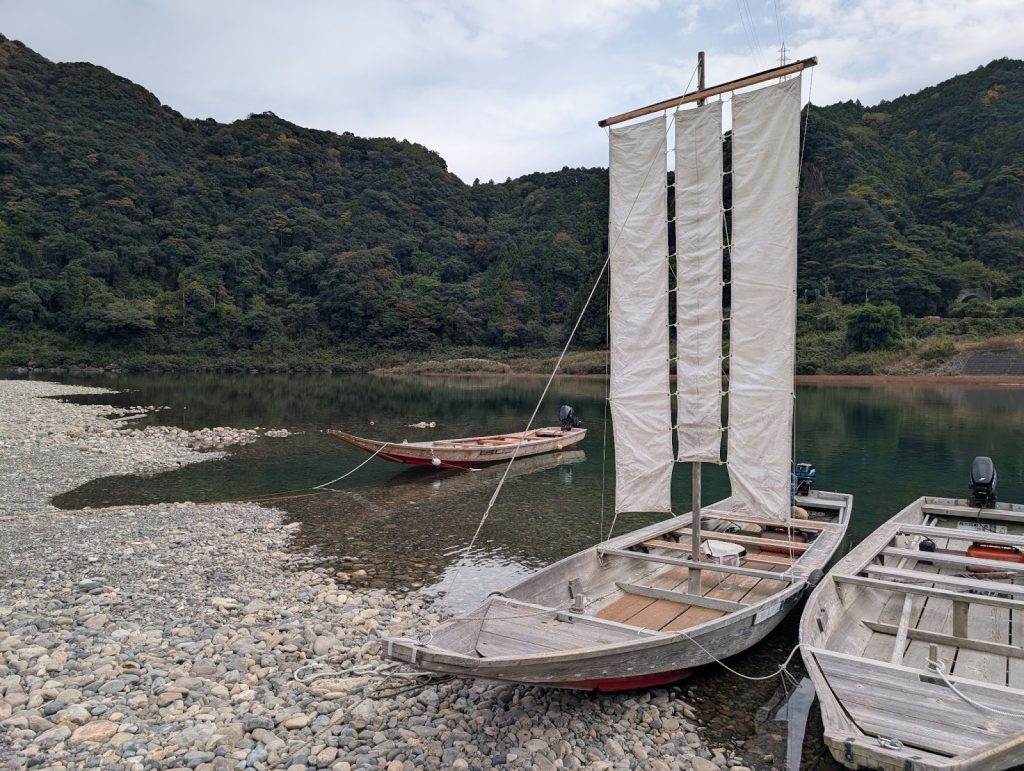
Here, we board the Sandanbo boat, a traditional wooden vessel used in old times to transport coal from upstream. The boat tour company, run by the boat maker Mr. Tanigami (谷上), utilizes this cultural artifact, which is made from 80% cedar by a local craftsman, one of the few remaining traditional boatmakers in Japan.
The sixty-minute ride is a journey into history. It explores historic and spiritual sites only accessible by river, offering a quiet, reflective counterpoint to the exertions of the trail. The river acts as the spiritual and physical bridge between the deep mountain paths and the open sea, tying the entire region together.

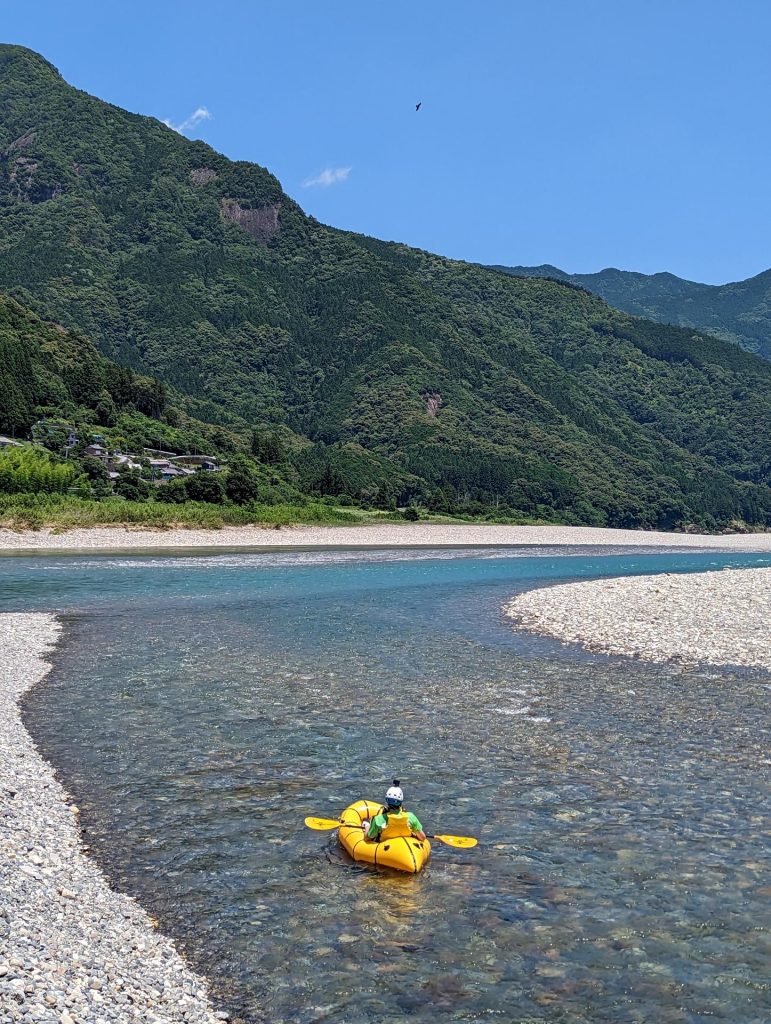
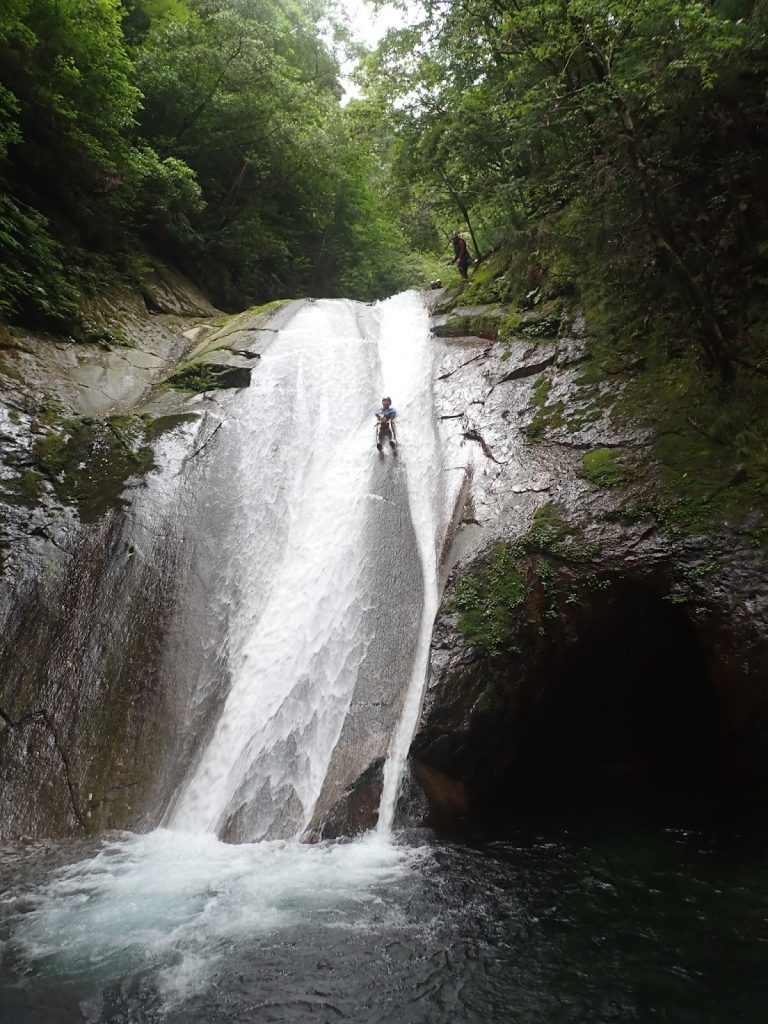
A more exhilarating way to explore the region’s dynamic waterways is through canyoning and packrafting, based out of the Kiho Base that I established with Canyons in 2022. The Kiho canyoning area is known for its clean, emerald water, where adventure seekers can enjoy the river’s flow by sliding, jumping, and swimming down natural waterfalls and canyons. The Kiho canyoning tour offers a full-body experience navigating the river’s unique features. Additionally, Packrafting tours are run on the upper sections of the Kumano River, allowing for exploration of the region’s diverse waterways in a single-person inflatable kayak.
This seamless exploration by sea, land, and river is the true secret of the Kumano Kodo Iseji. It moves beyond the simple act of hiking and transforms the pilgrimage into a complete, sensory, and cultural experience, revealing the undiscovered flow of southern Mie.

Contact Details for Local Experiences
| Activity | Organization | Website |
| Sea Kayak & Guesthouse | Mikisato E Outfitters | https://mikisato-e.com/en/home/ |
| Iseji Route Info | Kumano Kodo Iseji (Mie Pref.) | https://www.kodo.pref.mie.lg.jp/en/ |
| River Experience | Kumano River Experience (Sandanbo) | https://www.za.ztv.ne.jp/w58yd3jb/ |
| Canyoning & Packrafting | Canyons | https://canyons.jp/en/areas/kiho/kiho-canyoning |
Part of our complete guide to Hiking in Japan.