


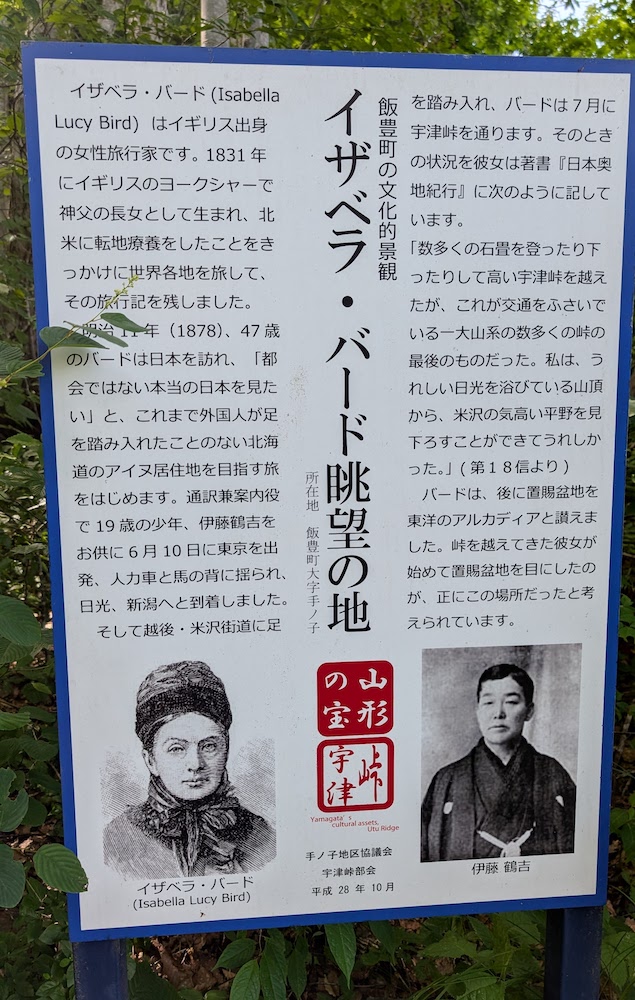
In the late 19th century, British explorer Isabella Bird walked across northern Japan. She was the first Western woman to make such a journey into Japan’s remote north. Her book, “Unbeaten Tracks in Japan,” still inspires travelers today. After crossing the Utsu Pass into Yamagata, she described the Yonezawa Plain as “a perfect garden of Eden, tilled with a pencil instead of a plough.”
That same landscape in southern Yamagata Prefecture is now home to a three-day tour that blends history, local culture, and outdoor adventure. The route takes you pack-rafting down a river, hiking and cycling along the same road Bird traveled, and finishing with a hands-on ramen experience that connects the valley’s farms with a local ramen shop.
The Okitama Valley lies in southern Yamagata, about two-and-a-half hours from Tokyo via the Yamagata Shinkansen. It sits between the Iide Mountains to the west and the fertile Yonezawa plains to the east. Historically this was the domain of the Uesugi samurai clan, and a region known for rice, sake, and beef.
Today, Okitama is rural but accessible. Small farm villages still line the valley, and stone-paved remnants of the old Echigo-Yonezawa Kaido remain. This trading road once linked the Sea of Japan coast with the interior. It’s better known as the “13 Toge,” or “13 Passes.” Bird crossed it in 1878, guided over mossy stones and steep hillsides by locals who knew the way.
What makes this tour stand out is how each day ties into the next. A cold bowl of ramen on the first day introduces the local food culture. Then, a pack-raft takes you into a narrow gorge, giving the trip a powerful shot of excitement. The historic passes connect you directly to Bird’s path and the rhythm of ancient travel. And the final day brings the food full circle: cycling to farms, gathering ingredients, and cooking your own ramen from scratch under the guidance of a master.
Each part is active but accessible. It’s not an expedition. It’s a way to move slowly through a landscape where history, food and nature are still close to the surface.
Day 1: Rivers and a Matagi Hearth
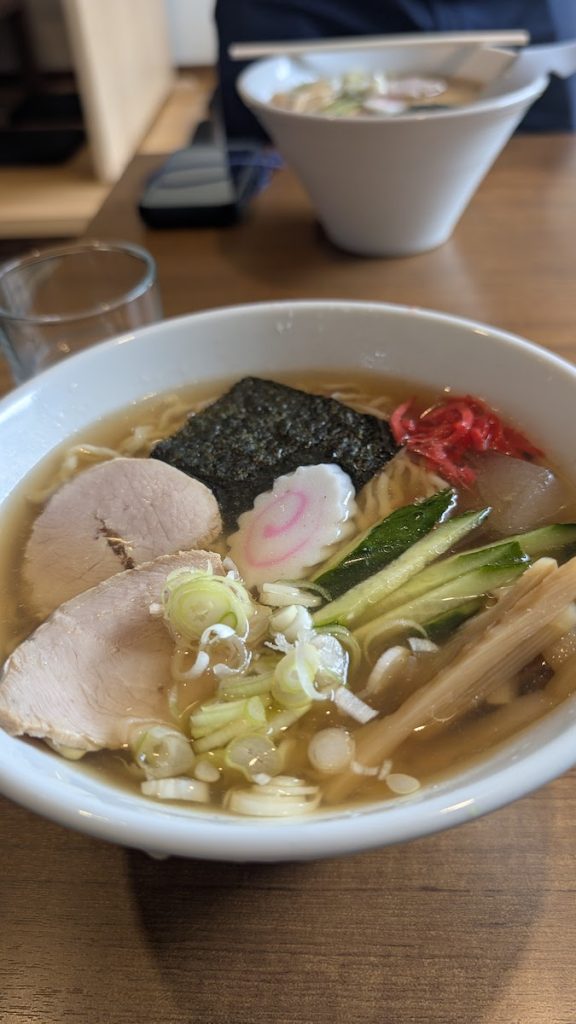
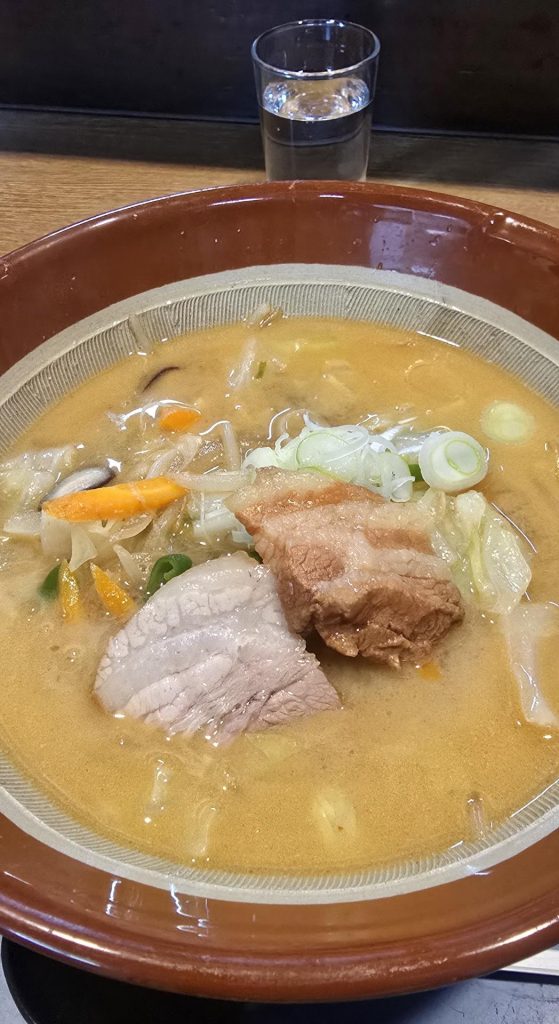
The trip begins with a regional specialty: chilled ramen. Yamagata is Japan’s ramen capital, with the highest per-household spending on ramen in the entire country. In the summer heat, a bowl of cold ramen makes perfect sense.
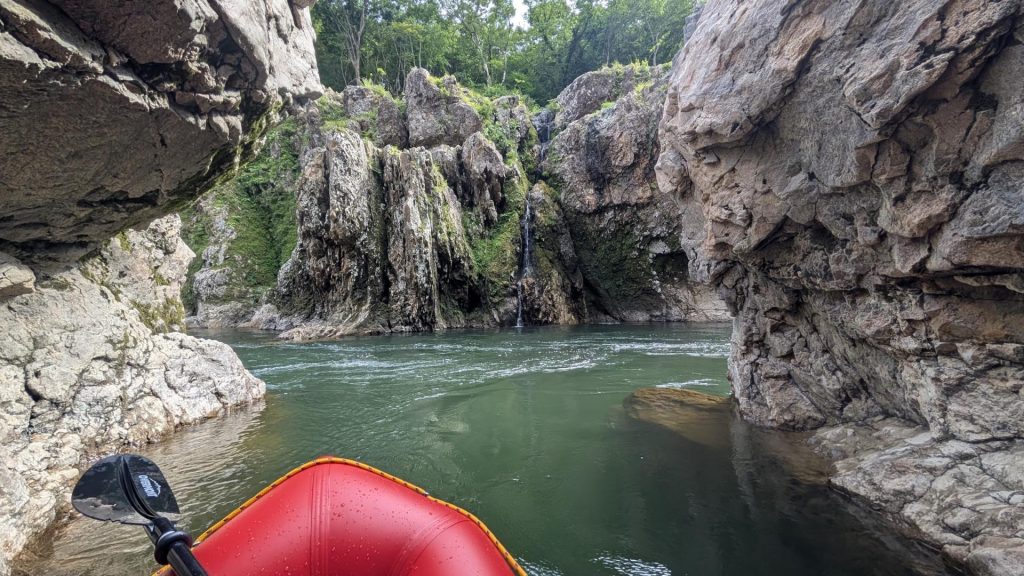
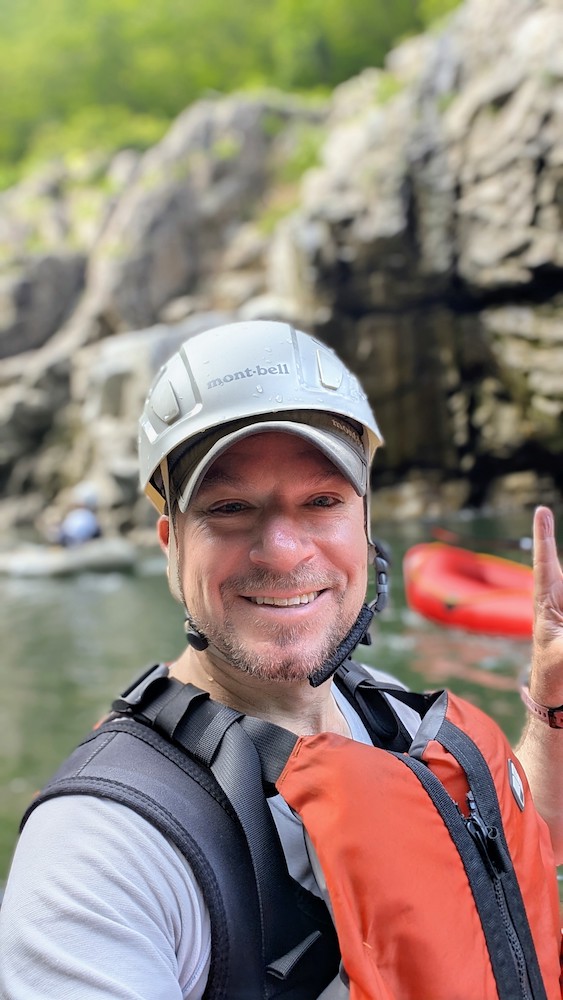
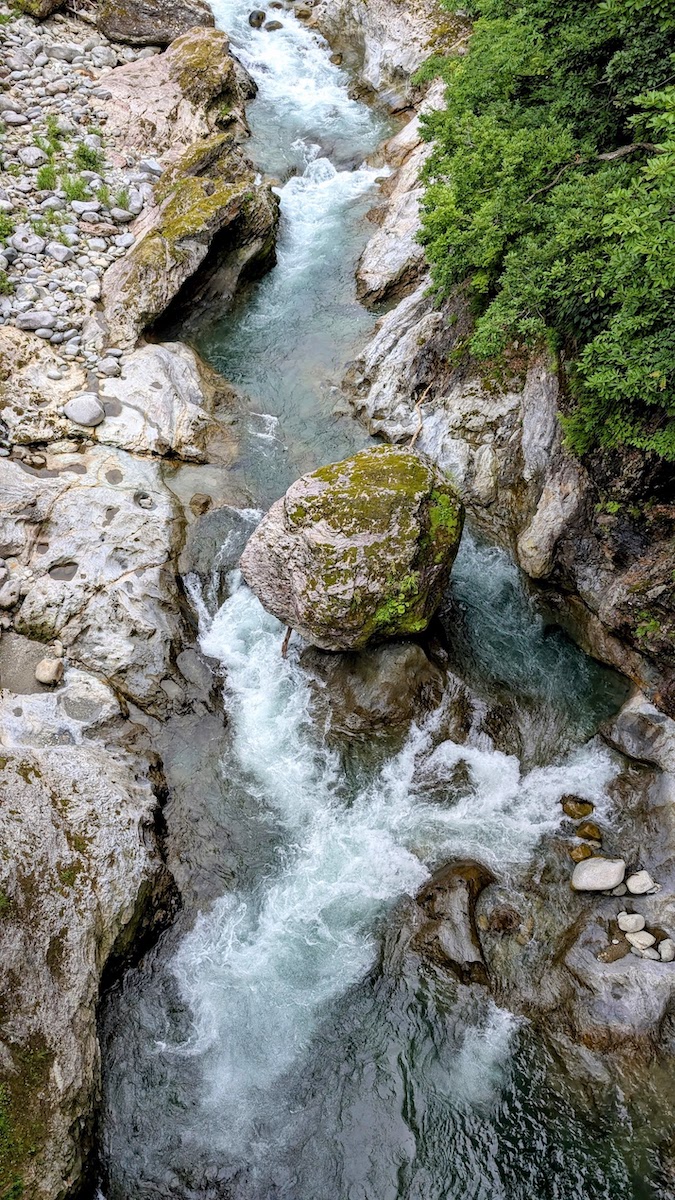
From there, it’s on to the river. If you’ve never pack-rafted before—or even if you have—you’re in for a treat! Guides introduce basic paddling on calm water before leading you downstream. The route builds gradually, heading eventually into the narrow walls of Akashiba Gorge, with rapids that are exciting enough to please experienced paddlers while safe enough for first timers. After the gorge, the river eases back into a gentle flow with picturesque rocks and little waterfalls on both banks. It feels great to paddle downstream through this stunning landscape, and the climax of the narrow gorge passage near the end is unforgettable.
After the river, you head to a local guesthouse run by a Matagi family. The Matagi are descendants of an indigenous group that fish, hunt and forage for wild vegetables and mushrooms in Japan’s forested mountains. They are most famous as bear hunters, though their role in sustainably living in the mountains and extensive knowledge of traditional medicines are perhaps more defining traits. A few now open their homes to guests. Expect a family-style meal of local seasonal foods, and wild stories around an open hearth. Rooms are simple and quiet, with a stunning view of the nearby mountains above the rice fields.

Day 2: Traversing 13 Passes
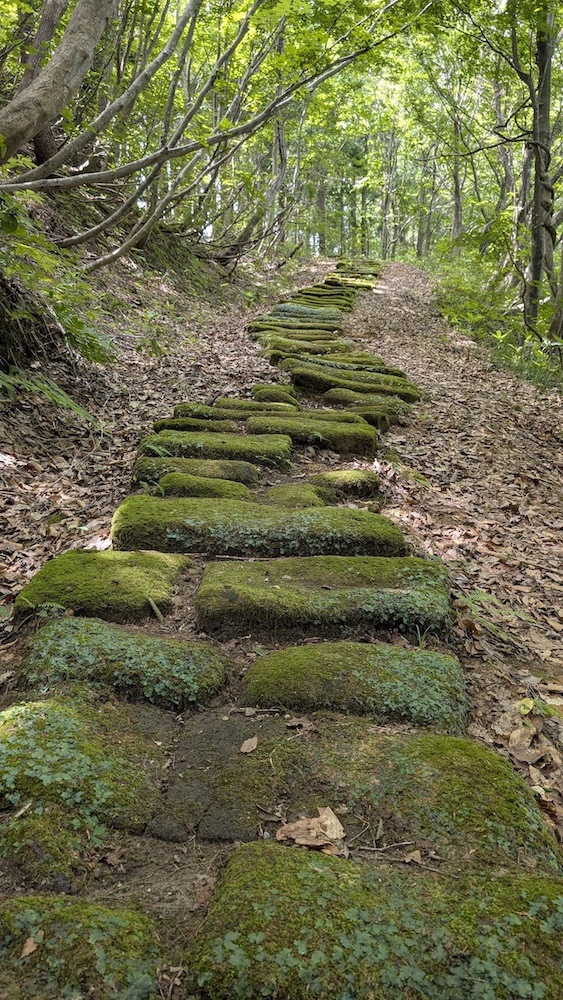
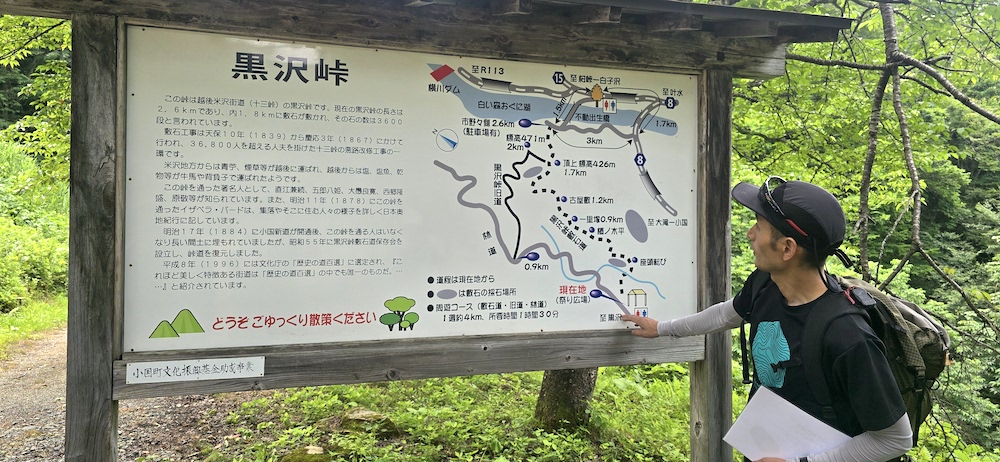
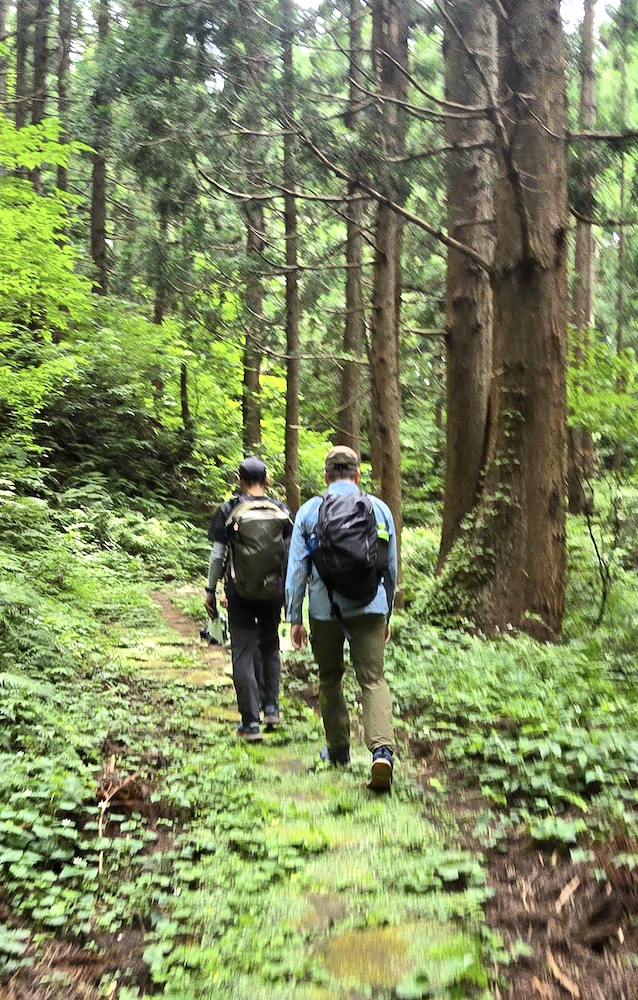
The second day traces sections of the old Echigo-Yonezawa Kaido. Known as the “13 Passes,” this route once carried merchants and travelers between Niigata and Yamagata. Today, some sections of stone slabs remain along the trail through the forested mountains.
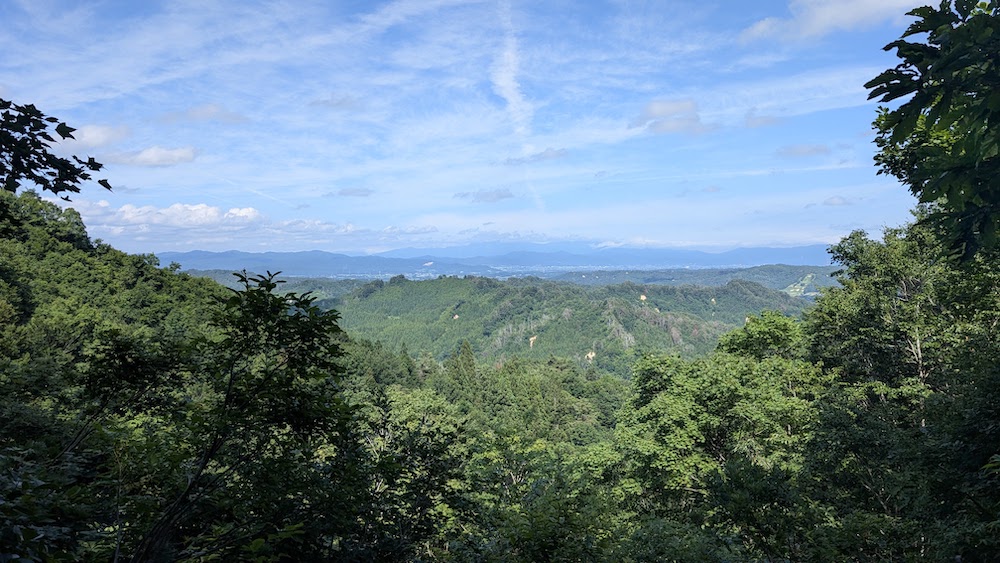
The hike focuses on Kurosawa and Utsu passes. Utsu is where Bird looked down onto the Yonezawa Plain, marveling at the beauty and abundance of rice fields below. On the trail, moss grows between the paving stones and small shrines remain, sometimes sheltering local wildlife.
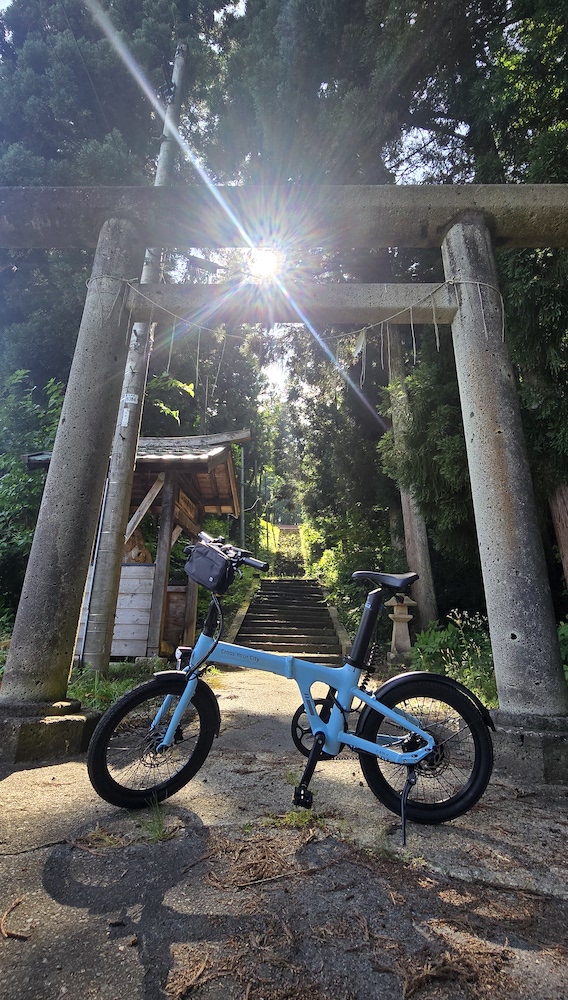
E-bikes extend the range, connecting the old passes with villages below. Quiet farm roads lead past paddies, farm fields and small shrines. The entire landscape reflects history and climate of the area with little clusters of trees standing tall behind farm houses to shelter them from the wind.
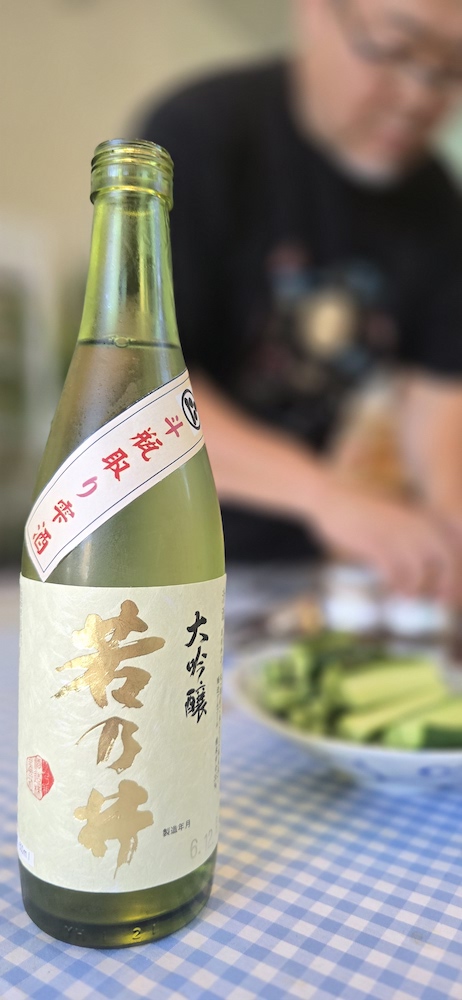
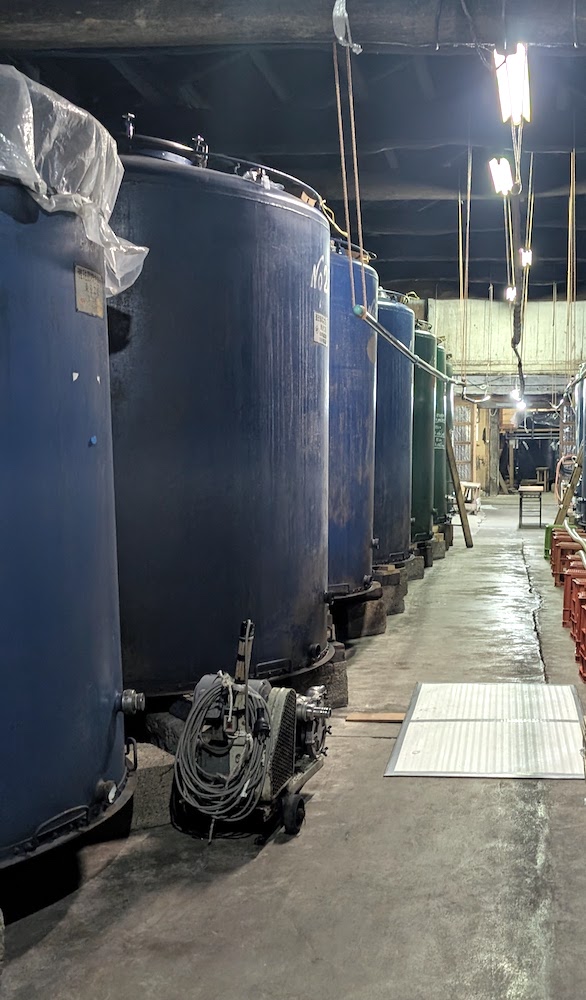
In the late afternoon, visit Wakanoi, a small sake brewery. Founded in the 19th century, it offers a short tour and tasting. Even non-drinkers will find the explanation of fermentation and rice polishing interesting. Dinner at a local izakaya rounds out the day perfectly.
Day 3: Cycling, Country Roads and Ramen
The final day is lighter. Enjoy a cycling course that winds through fields and farm villages. Stop along the way at a miso brewery and a number of small local farms, picking up ingredients to put in your lunch as you go.
The ride fittingly ends at a ramen restaurant, where you tie on aprons and head into the kitchen under the guidance of a master. You’ll mix the ingredients you brought with garlic, chili paste and more. You can even try your hand at preparing the noodles like a pro. Adjust the spiciness of the recipe to match your taste, and top it off with chashu pork. Nothing tastes better than the bowl of ramen you made yourself under the tutelage of a ramen master.
How It Fits Together
The structure of the trip is deliberate. Water first, then mountains, then food. Each day prepares you for the next. The river day clears your mind and sets a relaxed pace. The mountain passes ground you in history. The cycling and ramen tie you directly to the land and its people.
It’s not about covering distance. It’s about moving slowly through the valley in the same rhythm that Isabella Bird once followed through the mountains into the fertile valley below.
Why Go?
Okitama offers a rare combination. You move through landscapes little changed since Bird’s time, but with guides and hosts who connect you directly to local life today.
In just three days you’ll float beneath the rocky walls of a river gorge, follow Bird’s route over mossy stones, and taste ramen made from the valley itself.
Travel Essentials: Okitama Valley
GETTING THERE
From Tokyo: Two hours and 20 minutes by Yamagata Shinkansen to Yonezawa, then 30 minutes by local transfer or car.
From Sendai: Two hours by car.
From Niigata: Two hours by car.
BEST SEASONS
Spring: Cherry blossoms, fresh greenery and submerged forest canoeing.
Summer: Pack-rafting and chilled ramen in Japan’s ramen capital.
Autumn: Brilliant foliage on the 13 Passes; hot-air balloon flights over rice fields.
Winter: Snow trekking to icefalls and warming up with sake tasting.

SIGNATURE EXPERIENCES
Akashiba Gorge Pack-Rafting: Safe but thrilling river adventure.
The 13 Passes (十三峠): Hike sections of the historic Echigo-Yonezawa Kaido Isabella Bird once crossed.
Matagi Guesthouse Stay: Traditional hunters sharing hearth, food, and folklore.
Farm-to-Table Ramen: Cycle to farms, gather ingredients, and cook with a ramen master.
Wakanoi Sake Brewery: Family-run since the 19th century, with tastings and sweets made from sake lees.
LOCAL FLAVORS
Yonezawa Ramen: A local obsession, often served chilled in summer.
Yonezawa Beef: Richly marbled wagyu rivaling Kobe.
Sansai (Mountain Vegetables): Seasonal wild greens featured in Matagi cuisine.
Regional Sake: Distinctive local flavor, made with natural spring water from the Iide Mountains.
PRACTICAL INFO
Tour Length: Half-day to multi-day itineraries available.
Level: Active but accessible; suitable for beginners.
Booking: Guided tours and cultural experiences arranged by Yamagata Experience / Arcadia Tourism Bureau.
Website: https://www.iide3.net/unbeaten
Contact: canoe@hacinc.jp
Special thanks the Yamagata Okitama Tourism Council and the Yamagata Tourism Campaign Promotion Council for their cooperation.