
- Seasons
- Summer
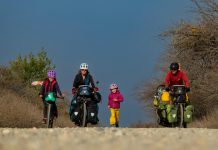

The World is Our Playground
The Pasche family has been cycling and living out of a tent in remote corners of the planet for the past 13 years on four continents spanning 50 countries.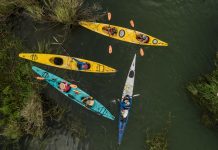
Adventure Travel World Summit in Hokkaido
The ATTA will host their first Adventure Travel World Summit in Asia in Hokkaido, Japan. We caught up with ATTA Director Shannon Stowell to find out more about the adventure travel industry and how it continues to grow and evolve.
The Sweet Secrets of Brewing Mead
Wander into the world of mead brewing and find yourself immersed in a fascinating journey spanning centuries and continents.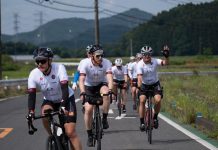
The Knights in White Lycra
Each year a group of cyclists head to the deep north towards Tohoku’s vast rice fields and coastal trails to help transform the lives of neglected children.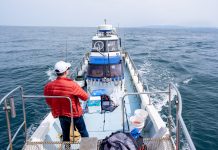
Sea to Table in Yamagata
An unforgettable way to intimately explore the Shonai Region in Yamagata is a culinary experience bringing bounty of the sea straight to your table.
- Autumn

The Mermaids of Mie
Overfishing, oc...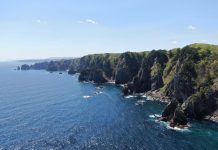
The Epic Northern Tip of the MCT
Hiking the enti...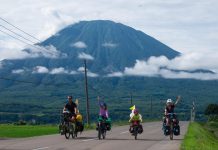
Life on the Road in Japan
Our family—Xavi...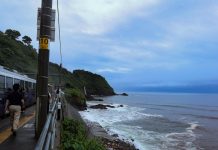
All Aboard Niigata’s Sake Train
Japan is famous...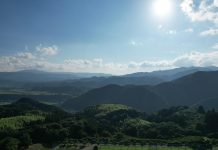


Cycling the Kuma Valley
The Kuma River ...
- Winter
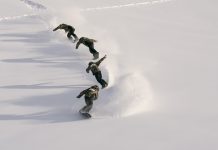
CAMP3 Clubhouse in Madarao
Keith Stubbs, a veteran in the snowboard industry, transitioned from rider to coach and instructor trainer for Snowboard Instruction New Zealand. After coaching in various Japanese resorts, he has established a permanent base in Madarao, outlining his plans for the area and future snowboard endeavors.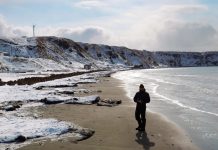
New Horizons in Shiretoko
During another epic powder season, two seasoned winter sports enthusiasts traded their snowboard bags for camera bags and traveled to Eastern Hokkaido to explore the frozen landscape and broaden their winter horizons.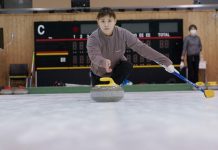
Silent Resilience
Curling athlete Sayuri Matsuhashi’s journey to the top of her sport is an inspiration to deaf athletes and women juggling their roles as mothers while also pursuing their professional dreams.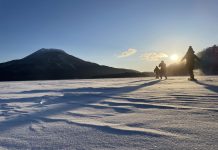
Heritage Hunting in Hokkaido
Travelers venturing beyond Hokkaido's popular winter resorts will discover a land with a rich cultural and natural history, a proud indigenous people and a community striving to preserve their heritage.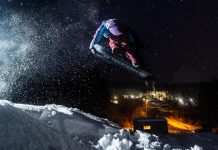
Shizukuishi
Northern Honshu’s Iwate Prefecture, known for heavy snowfall, features Shizukuishi—a powder-rich resort area with views of Mt. Iwate. Snow enthusiasts seeking lesser-known gems can enjoy exceptional snow quality and uncrowded resorts, including Shizukuishi Ski Resort, Amihari Onsen Ski Resort, and Iwate Kogen Snow Park, offering affordability and traditional hospitality.
- Summer
- Regions
- Near Tokyo
Getting Dirty in Japan
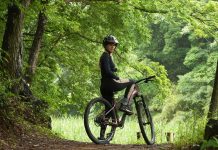
“Getting Dirty in Japan” is about getting out of your comfort zone and into some exciting outdoor adventures and destinations in Japan.
Ike-Sun Park Farmers Market
The Ike-Sun...
Paradise Found in No Man’s Land
Imagine startin...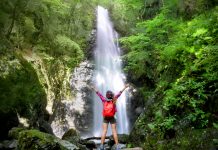
Day Hikes from Tokyo
Whether you are...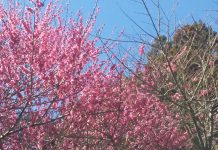
Peak Cuisine on Mt. Iwatakeishi
Imagine sitting...
- Near Kyoto
The Mermaids of Mie
Overfishing, oc...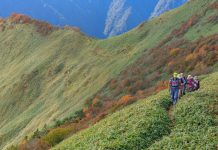
Take a Trip to the Wild Side : From Kansai to ...
Visitors flock ...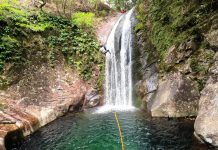
Kansai Canyoning in Kiho
Hidden in t...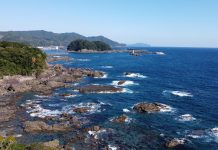
Kochi, a Nature Paradise in Shikoku
Kochi Prefectur...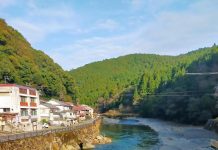
The Naked Stranger – Episode 10: Kawayu ...
As the Crow Fli...
- Near Tokyo
- Activities
- Ocean and Beach
The Mermaids of Mie
Overfishing, oc...Getting Dirty in Japan
“Getting Dirty in Japan” is about getting out of your comfort zone and into some exciting outdoor adventures and destinations in Japan.
48 Hours in Katsuura, Chiba
Chiba’s stunnin...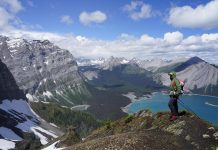
The Landscape Hunter
Interview with ...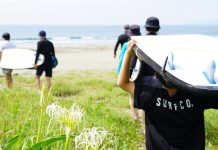
The Surfing Life – Hata Style
Intrepid su...
- River and Lake
Heritage Hunting in Hokka...
Travelers venturing beyond Hokkaido's popular winter resorts will discover a land with a rich cultural and natural history, a proud indigenous people and a community striving to preserve their heritage.Getting Dirty in Japan
“Getting Dirty in Japan” is about getting out of your comfort zone and into some exciting outdoor adventures and destinations in Japan.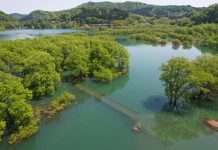
The Submerged Forests of ...
Yamagata’s ...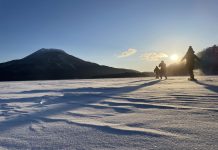
Dig Deeper into Eastern H...
Hokkaido winter...Take a Trip to the Wild S...
Visitors flock ...
- Sky
Getting Dirty in Japan
“Getting Dirty in Japan” is about getting out of your comfort zone and into some exciting outdoor adventures and destinations in Japan.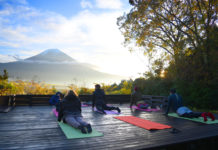
Shizuoka Road Trip: The Mt. Fuji Loop
As green season...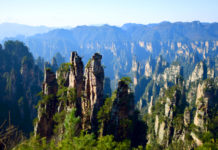
Hunan’s Floating Mountains
A crisp fo...
Paragliding, Camping and Caves in Japan!
As you drive in...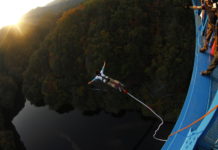
Q&A with Bungy Japan’s Charles Odlin
Japan’s highest...
- Snow and Ice
CAMP3 Clubhouse in Madarao
Keith Stubbs, a veteran in the snowboard industry, transitioned from rider to coach and instructor trainer for Snowboard Instruction New Zealand. After coaching in various Japanese resorts, he has established a permanent base in Madarao, outlining his plans for the area and future snowboard endeavors.New Horizons in Shiretoko
During another epic powder season, two seasoned winter sports enthusiasts traded their snowboard bags for camera bags and traveled to Eastern Hokkaido to explore the frozen landscape and broaden their winter horizons.Silent Resilience
Curling athlete Sayuri Matsuhashi’s journey to the top of her sport is an inspiration to deaf athletes and women juggling their roles as mothers while also pursuing their professional dreams.Shizukuishi
Northern Honshu’s Iwate Prefecture, known for heavy snowfall, features Shizukuishi—a powder-rich resort area with views of Mt. Iwate. Snow enthusiasts seeking lesser-known gems can enjoy exceptional snow quality and uncrowded resorts, including Shizukuishi Ski Resort, Amihari Onsen Ski Resort, and Iwate Kogen Snow Park, offering affordability and traditional hospitality.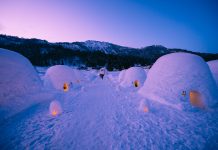
Northern Shinshu’s Secret Stash
A weak yen, revenge travel, and excellent ski conditions have led to high demand, booking out popular resorts like Hakuba and Nozawa Onsen this year. Fortunately, lesser-known gems like Togari Onsen, near Nozawa Onsen and Madarao, offer charming alternatives for powder seekers.
- Travel

The Spirit of the Kuma Valley
Travelers to Japan undoubtedly view sake as the traditional liquor of Japan. Histori-cally they wouldn’t be wrong, since Sudō Honke, the world’s oldest sake brewery (and one of the oldest companies in the world), was founded in 1141 in Ibaraki Prefecture, just north of Tokyo. However Southern Japan is home to another authentic Japanese spirit—shochu, which was first produced about 500 years ago, its roots firmly planted in Japan’s warmer southern climes.CAMP3 Clubhouse in Madarao
Keith Stubbs, a veteran in the snowboard industry, transitioned from rider to coach and instructor trainer for Snowboard Instruction New Zealand. After coaching in various Japanese resorts, he has established a permanent base in Madarao, outlining his plans for the area and future snowboard endeavors.New Horizons in Shiretoko
During another epic powder season, two seasoned winter sports enthusiasts traded their snowboard bags for camera bags and traveled to Eastern Hokkaido to explore the frozen landscape and broaden their winter horizons.Silent Resilience
Curling athlete Sayuri Matsuhashi’s journey to the top of her sport is an inspiration to deaf athletes and women juggling their roles as mothers while also pursuing their professional dreams.Heritage Hunting in Hokkaido
Travelers venturing beyond Hokkaido's popular winter resorts will discover a land with a rich cultural and natural history, a proud indigenous people and a community striving to preserve their heritage.
- Food and Drinks
The Spirit of the Kuma Valley
Travelers to Japan undoubtedly view sake as the traditional liquor of Japan. Histori-cally they wouldn’t be wrong, since Sudō Honke, the world’s oldest sake brewery (and one of the oldest companies in the world), was founded in 1141 in Ibaraki Prefecture, just north of Tokyo. However Southern Japan is home to another authentic Japanese spirit—shochu, which was first produced about 500 years ago, its roots firmly planted in Japan’s warmer southern climes.CAMP3 Clubhouse in Madarao
Keith Stubbs, a veteran in the snowboard industry, transitioned from rider to coach and instructor trainer for Snowboard Instruction New Zealand. After coaching in various Japanese resorts, he has established a permanent base in Madarao, outlining his plans for the area and future snowboard endeavors.New Horizons in Shiretoko
During another epic powder season, two seasoned winter sports enthusiasts traded their snowboard bags for camera bags and traveled to Eastern Hokkaido to explore the frozen landscape and broaden their winter horizons.Silent Resilience
Curling athlete Sayuri Matsuhashi’s journey to the top of her sport is an inspiration to deaf athletes and women juggling their roles as mothers while also pursuing their professional dreams.Heritage Hunting in Hokkaido
Travelers venturing beyond Hokkaido's popular winter resorts will discover a land with a rich cultural and natural history, a proud indigenous people and a community striving to preserve their heritage.
- Races and Events
Silent Resilience
Curling athlete Sayuri Matsuhashi’s journey to the top of her sport is an inspiration to deaf athletes and women juggling their roles as mothers while also pursuing their professional dreams.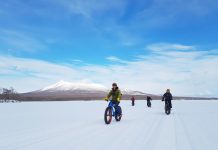
Winter News and Notes
Check out the latest news and winter events held at ski resorts all over Japan in 2024!
2023 Autumn Events & Races
RACES Sea to...
DD4D Brewing
In nearly e...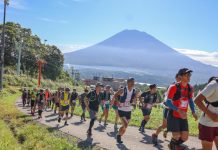
2023 Summer Events and Races
World Aquatics ...
- Ocean and Beach
Kumamoto
The Spirit of the Kuma Va...
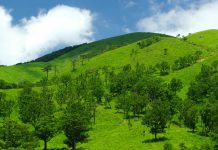
Travelers to Japan undoubtedly view sake as the traditional liquor of Japan. Histori-cally they wouldn’t be wrong, since Sudō Honke, the world’s oldest sake brewery (and one of the oldest companies in the world), was founded in 1141 in Ibaraki Prefecture, just north of Tokyo. However Southern Japan is home to another authentic Japanese spirit—shochu, which was first produced about 500 years ago, its roots firmly planted in Japan’s warmer southern climes.
Snowboarding
CAMP3 Clubhouse in Madara...
Keith Stubbs, a veteran in the snowboard industry, transitioned from rider to coach and instructor trainer for Snowboard Instruction New Zealand. After coaching in various Japanese resorts, he has established a permanent base in Madarao, outlining his plans for the area and future snowboard endeavors.
Hokkaido
New Horizons in Shiretoko...
During another epic powder season, two seasoned winter sports enthusiasts traded their snowboard bags for camera bags and traveled to Eastern Hokkaido to explore the frozen landscape and broaden their winter horizons.
